
As part of our package of member benefits, VONNE’s Gold and Silver Membership+ supporters have the opportunity to submit a guest post for our website. This blog by James Carss, founder and CEO of Associate Gold members Castle Peak Group, looks at the business case for diversity, and how embedding diversity into your culture helps organisations to perform better.
The Business Case for Diversity: Why Inclusive Organisations Perform Better
I've spent more than 25 years working in executive search, advising boards and appointing senior leaders across the UK, Asia and North America. During that time, I've worked with organisations at very different stages of their journey. Some were transforming after years of underperformance, others were experiencing rapid growth, while many were navigating significant external change. Although every organisation was unique, I found myself coming back to the same observation time and time again. The strongest leadership teams rarely looked or thought the same. They brought together people with different experiences, different career journeys and, perhaps most importantly, different ways of seeing the world.
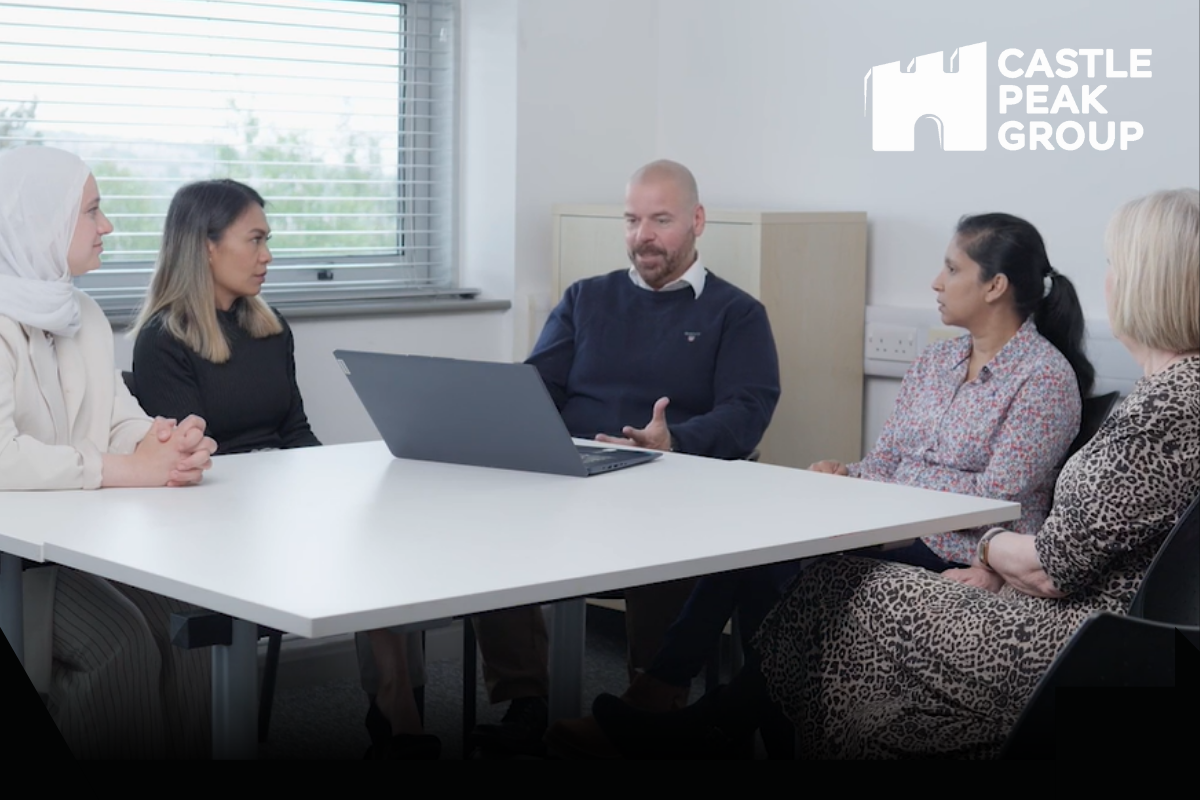
When diversity is discussed publicly, the conversation often centres on fairness, representation or compliance. Those are important issues and deserve serious attention. However, I sometimes think we've overlooked the argument that resonates most with boards and executive teams. Diversity isn't simply about doing the right thing; it's about helping organisations perform better. When leaders approach challenges from different perspectives, ask different questions and draw on different experiences, the quality of decision-making improves. That has implications for strategy, innovation, risk management, customer understanding and ultimately organisational performance.
The pace of change facing organisations today only reinforces that point. Leaders are operating in an environment shaped by skills shortages, demographic change, rapid advances in technology and increasing expectations from customers, employees and regulators. At the same time, many organisations are serving communities that are becoming more diverse in every sense of the word. It seems increasingly difficult to argue that leadership teams can fully understand those complexities if everyone around the table has followed a remarkably similar path. Diversity doesn't eliminate uncertainty, but it gives organisations a broader range of perspectives from which to navigate it.
One of the biggest misconceptions I encounter is the belief that the best leadership teams are those that reach agreement quickly. In reality, many of the highest-performing boards I've worked with have been characterised by constructive challenge rather than easy consensus. They ask difficult questions, test assumptions and are comfortable debating an issue from several different angles before arriving at a decision. I've seen board discussions transformed because somebody with a different professional background, cultural perspective or lived experience noticed something the rest of the room had missed. Those moments are rarely dramatic, but they often lead to better outcomes because they reduce the risk of groupthink and encourage more balanced decision-making.
That challenge is particularly important in governance. Boards are expected to oversee risk, scrutinise strategy and hold executive teams to account. Those responsibilities become harder to fulfil if everyone approaches problems through the same lens. Diversity should never be seen as replacing expertise or experience; rather, it complements them. A board benefits from financial expertise, operational knowledge and sector insight, but it also benefits enormously from having members who naturally think differently and are prepared to ask questions others may not.
The same principle applies beyond the boardroom. Organisations frequently talk about innovation as though it is driven solely by technology or investment. In my experience, innovation usually begins with perspective. People solve problems differently because they've experienced the world differently. Someone who has worked in another sector may challenge an established way of doing things. Someone from a different generation may approach technology differently. Someone whose lived experience has required them to overcome barriers may identify opportunities that others have never considered. Innovation often emerges not from having the smartest individual in the room, but from bringing together people whose experiences complement one another.
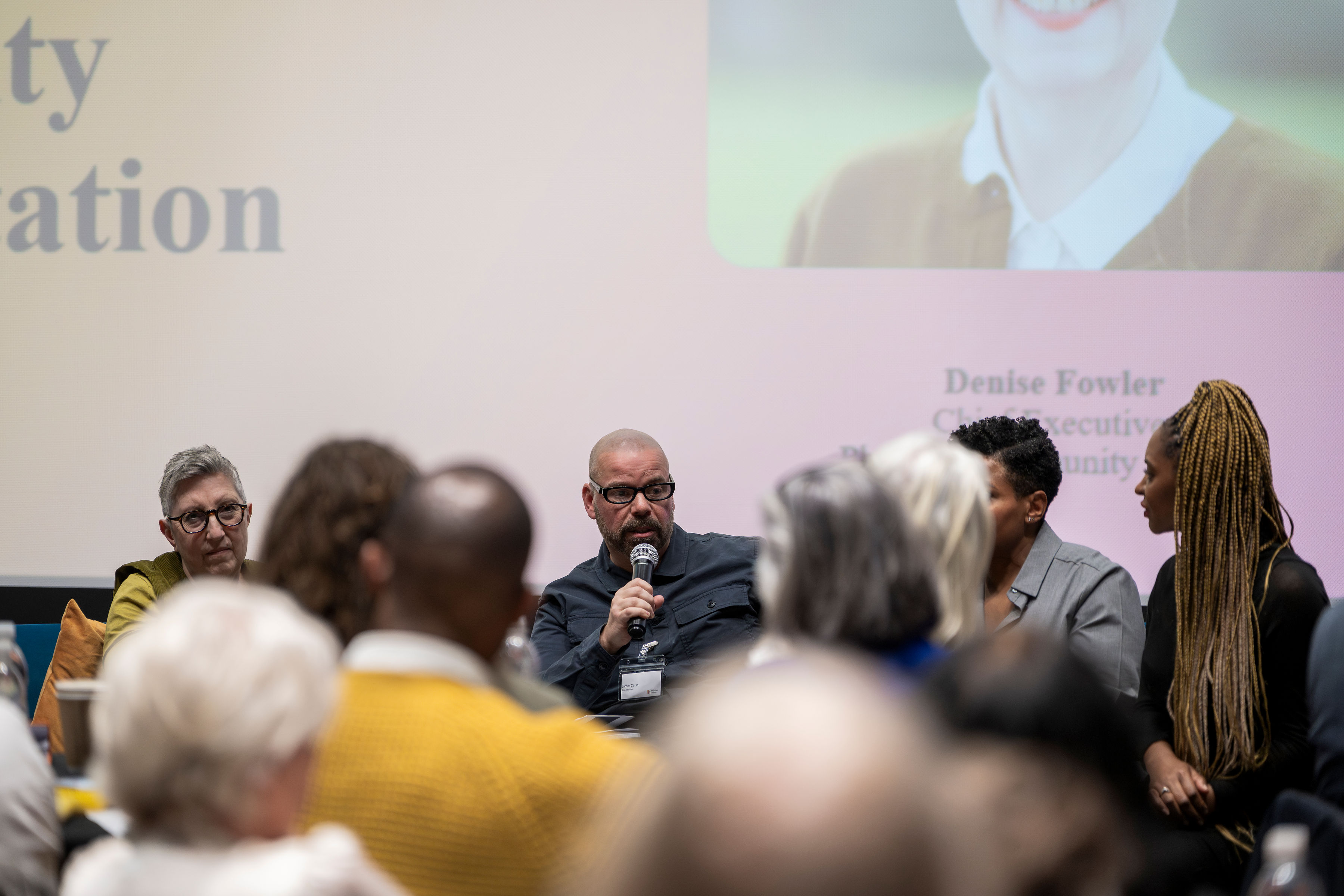
I've also noticed a significant shift in what senior candidates are looking for when considering a new opportunity. Ten years ago conversations focused primarily on the role, remuneration and career progression. Those factors remain important, but they are rarely the whole conversation now. Candidates increasingly want to understand the culture they are joining. They ask about leadership, values, flexibility, inclusion and whether different opinions are genuinely welcomed. The strongest candidates have choices, and many are deliberately choosing organisations where they believe they will be heard, supported and able to make a meaningful contribution. Recruitment may bring talented people through the door, but inclusion is what persuades them to stay.
This is where organisations sometimes misunderstand the relationship between diversity and inclusion. Improving representation is an important achievement, but it should never be seen as the destination. I've worked with organisations that have successfully diversified their boards or leadership teams, yet some individuals still felt reluctant to challenge decisions or offer an alternative perspective. If people don't feel psychologically safe enough to contribute fully, much of the value diversity brings is lost. Representation changes who is in the room. Inclusion changes whose voice influences the discussion. The two are inseparable.
It's also worth recognising that diversity extends well beyond the characteristics that usually dominate public debate. Gender, ethnicity and disability remain critical considerations, but they are only part of the picture. Diversity also includes age, socioeconomic background, education, career pathway, neurodiversity, geography and life experience. Some of the most valuable conversations I've witnessed have taken place because somebody simply viewed an issue through a different lens. That difference wasn't always visible, but it fundamentally changed the quality of the discussion.
For leaders wondering where to begin, my advice is to resist looking for quick fixes. There isn't a single initiative that suddenly creates a more inclusive organisation. Instead, it starts with honest reflection. Are recruitment processes attracting the widest possible range of talent? Are there barriers that unintentionally discourage certain groups from applying? Do board meetings genuinely encourage challenge, or is consensus reached too easily? Are leaders listening to perspectives they don't naturally hear? These questions require curiosity rather than certainty, and they are ultimately leadership questions rather than HR questions.
Over the past two years at Castle Peak Group, we've had the privilege of supporting organisations across housing, healthcare, education, charities and the private sector to strengthen their boards and leadership teams. One consistent lesson has emerged from that work. Organisations that take diversity seriously are rarely doing so because they are chasing targets or responding to external pressure. They recognise that different perspectives make better decisions possible, strengthen governance and improve long-term organisational performance. That's a much more compelling reason to invest in diversity than compliance alone.

The organisations that will thrive over the next decade won't necessarily be the largest or the most established. I believe they will be the organisations that remain curious, continue to broaden the perspectives around their leadership tables and create environments where people feel able to contribute fully. Diversity, in itself, isn't the objective. Better leadership is. When organisations combine diverse perspectives with genuinely inclusive cultures, they place themselves in a stronger position to navigate uncertainty, seize opportunities and make better decisions for the people they serve. For me, that's the real business case for diversity.
Castle Peak Group are an executive and board search consultancy working with like-minded organisations who share their belief in both the importance and benefits of diversity and inclusion in the workplace. You can find out more about their work and services on the Castle Peak Group website.
Image Credits: Castle Peak Group